
Saving costs with antifouling coatings


Water droplets on a steel surface with an antifouling coating / Source: Fraunhofer IST
It’s a familiar scenario – limescale in the electric kettle and coffee machine or water stains on the taps, these are problems, which are not yet soluble in the household. The situation is however somewhat different in industrial systems: it is precisely in large-scale production with liquid media that so-called fouling is often the cause of expensive cleaning cycles and thus of longer machine downtimes.
For example, the milk pasteurization line is stopped once again and cleaned after just one operating cycle because, for example, milk proteins have formed deposits in the pipes, boilers or heat exchangers of the equipment used. A further disadvantage of contamination by crystallization, corrosion or chemical and biological reactions is a considerably higher level of energy consumption during the production cycle.
At the Fraunhofer Institute for Surface Engineering and Thin Films IST, technical solutions and coatings have been developed for different areas of application by which fouling effects of this kind can be drastically reduced. Of particular note here is the fact that the coatings can be tailored to specific requirements, and it is precisely in the chemical, pharmaceutical and foodstuffs industries that this can yield improved productivity and significant cost reductions.
Aktuelle Onlineartikel
-
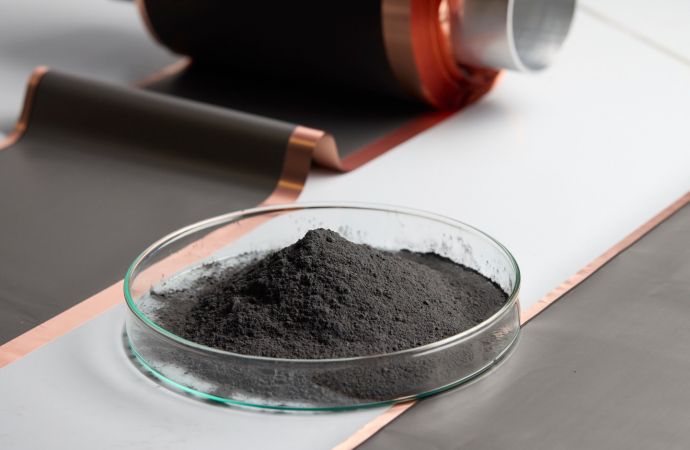
11. 05. 2026 Fluorfreie Trockenbeschichtung für leistungsfähige Batterien
-
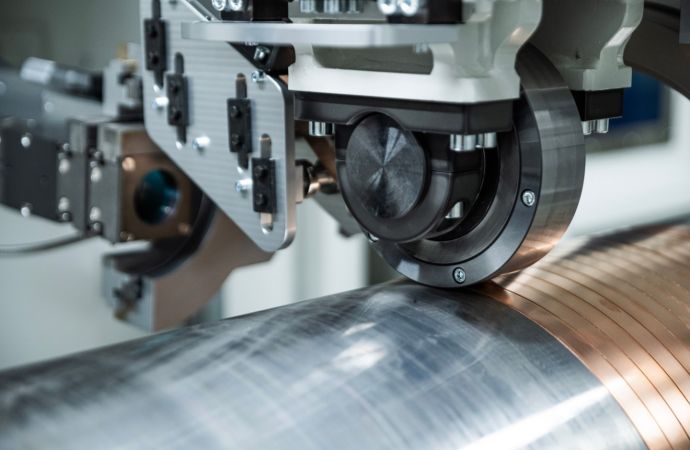
11. 05. 2026 Laserdirektplattieren senkt Taktzeit und Kosten für dicke Metallbeschichtungen
-
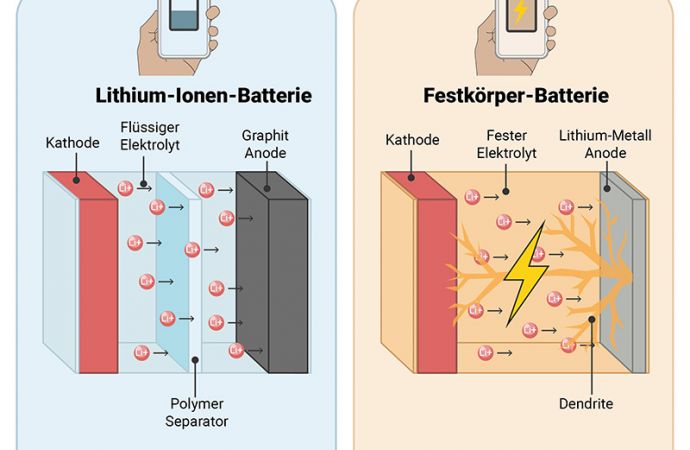
27. 04. 2026 Warum kommt es zu Kurzschlüssen in Festkörper-Batterien?
-
27. 04. 2026 Neuer internationaler Masterstudiengang „Battery Technologies“ startet zum Wintersemester 2026/27
-
27. 04. 2026 Nanofiltration – Wasser wirksam von Glyphosat befreien
-

22. 04. 2026 ZVO-Oberflächentage 2026 erstmals in Karlsruhe: Jetzt anmelden!