Purging the impurities from glass


A look into the melting tank of the microfloat facility in Jena / source: Schott AG
The production of glass requires high temperatures and consumes a lot of energy. Thanks to a newly developed method, the energy demand can now be lowered by up to 40 % in a central part of special-purpose glass production — the refining process. The BINE-Projektinfo brochure “Energy-saving production of special-purpose glass” (05/2014) introduces the concept. The central component is a crucible made of the high-temperature resistant metal iridium, which can withstand high temperatures without cooling.
In the refining step, undesired impurities in the molten glass are removed. The glass melt in the crucible is heated up to 1600 °C to remove trapped bubbles. Conventional copper crucibles have to be cooled. The newly developed iridium crucible can withstand a temperature of up to 1750 °C. With a throughput of 50 tonnes per day per furnace, it is possible to save about 5000 MWh of electricity per year.
The method is currently only suitable for aluminosilicate glass. The researchers are currently working to apply the process to borosilicate glass as well. This economically more significant type of glass is used for ovenware and laboratory glassware, amongst others. Schott in Mainz carried out the research project. The BINE-projectinfobrochure, which can be obtained free of charge from the BINE Information Service at FIZ Karlsruhe, is available online at www.bine.info.
The BINE Information Service reports on energy research topics, such as new materials, systems and components, as well as innovative concepts and methods. The knowledge gained is incorporated into the implementation of new technologies in practice, because first-rate information provides a basis for pioneering decisions, whether in the planning of energy-optimised buildings, increasing the efficiency of industrial processes, or integrating renewable energy sources into existing systems.
FIZ Karlsruhe – Leibniz Institute for Information Infrastructure is a not-for-profit organization with the public mission to make sci-tech information from all over the world publicly available and to provide related services in order to support the national and international transfer of knowledge and the promotion of innovation. FIZ Karlsruhe is a member of the Leibniz Association (WGL) which consists of 87 German research and infrastructure institutions.
Aktuelle Onlineartikel
-
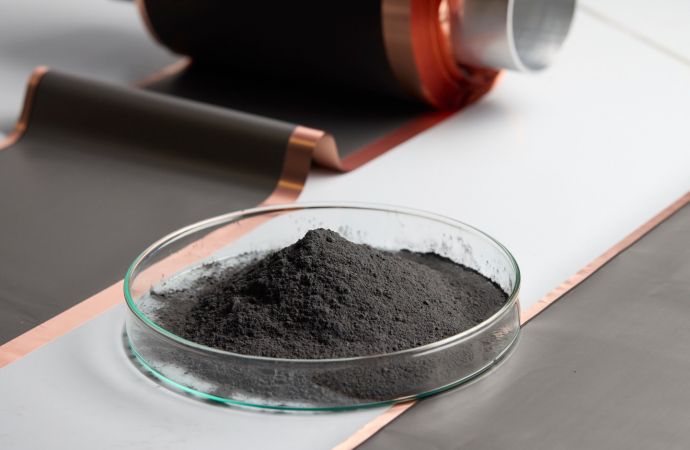
11. 05. 2026 Fluorfreie Trockenbeschichtung für leistungsfähige Batterien
-
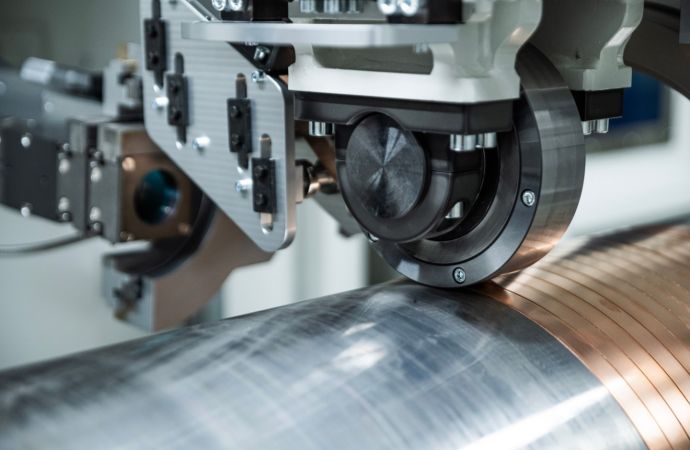
11. 05. 2026 Laserdirektplattieren senkt Taktzeit und Kosten für dicke Metallbeschichtungen
-
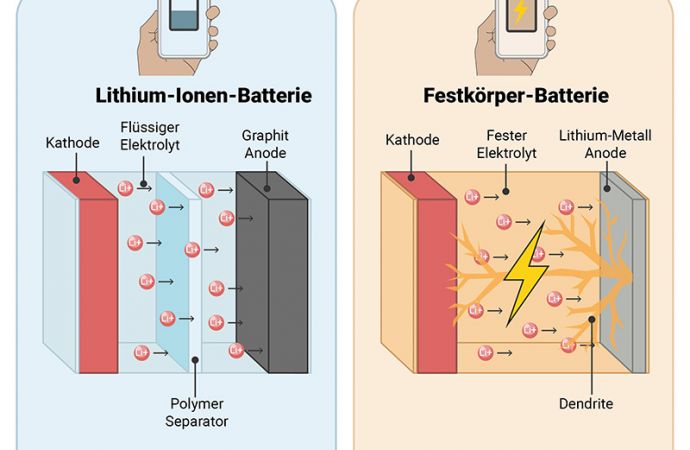
27. 04. 2026 Warum kommt es zu Kurzschlüssen in Festkörper-Batterien?
-
27. 04. 2026 Neuer internationaler Masterstudiengang „Battery Technologies“ startet zum Wintersemester 2026/27
-
27. 04. 2026 Nanofiltration – Wasser wirksam von Glyphosat befreien
-

22. 04. 2026 ZVO-Oberflächentage 2026 erstmals in Karlsruhe: Jetzt anmelden!